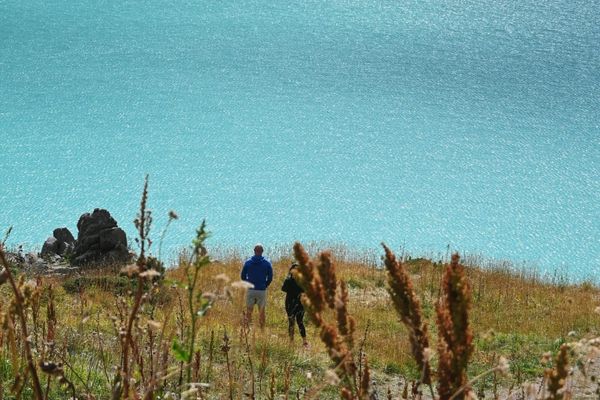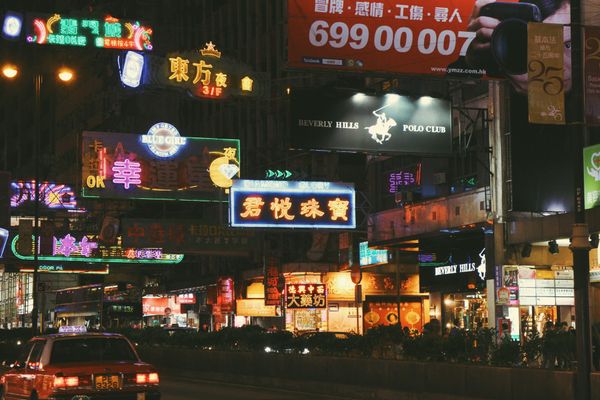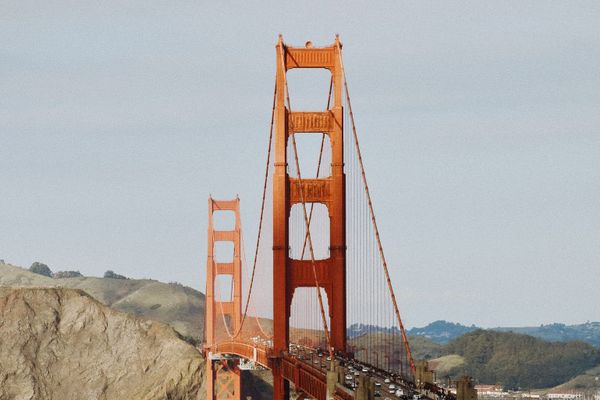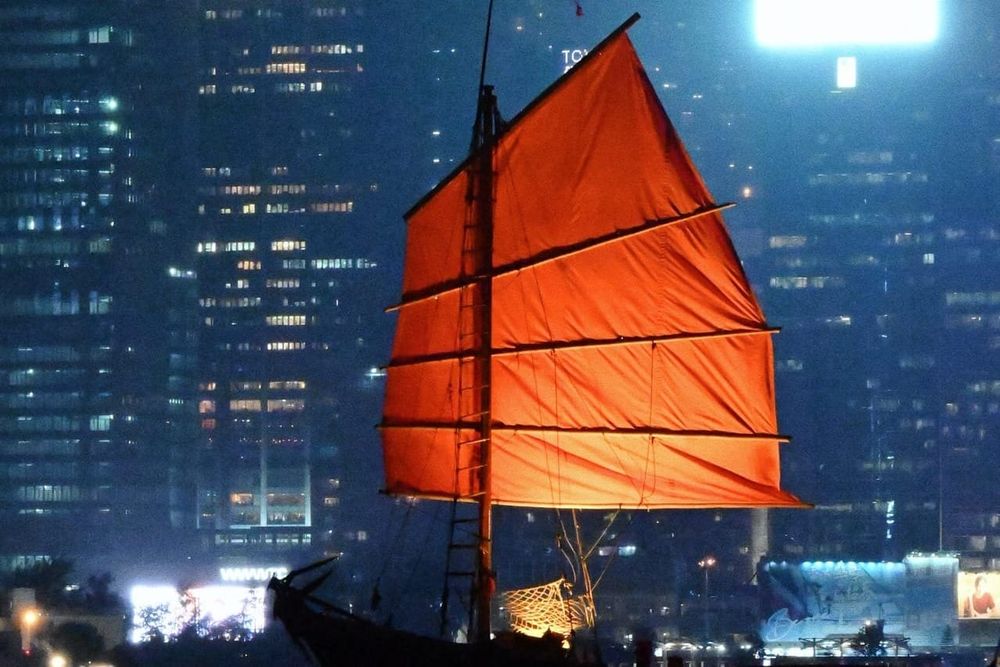
In the age of social media and convenient traffic, travel and photography are two popular ways to understand a place or culture – the former gives you the firsthand thrills, while the latter shapes our first impression and ignites the desire to explore unfamiliar places with the highly realistic representation. From acquaintances’ travel snapshots to tourism boards’ glossy ads of iconic sights, they shape our way of viewing the world and fantasy towards the unknown with solid reasons, ranging from historical and ecological significance to visual appeal.
The irony of travel and photography
With the constant urge of sharing and finding popular pretty spots, we travel to capture what we expect in the destination more than what there really is. This irony pushes us to reflect on our roles as avid traveller and hobbyist street photographers – we unintentionally strengthen cultural stereotypes of our destinations and make travel / cultural experience fragmented. Photography becomes a paradox – a medium intended to show a subject’s ‘realistic’ side is reduced to a visual cliché. Our understanding on a place or a culture confines us in the echo chamber, even if the web provides a lot of information for us to create journeys.
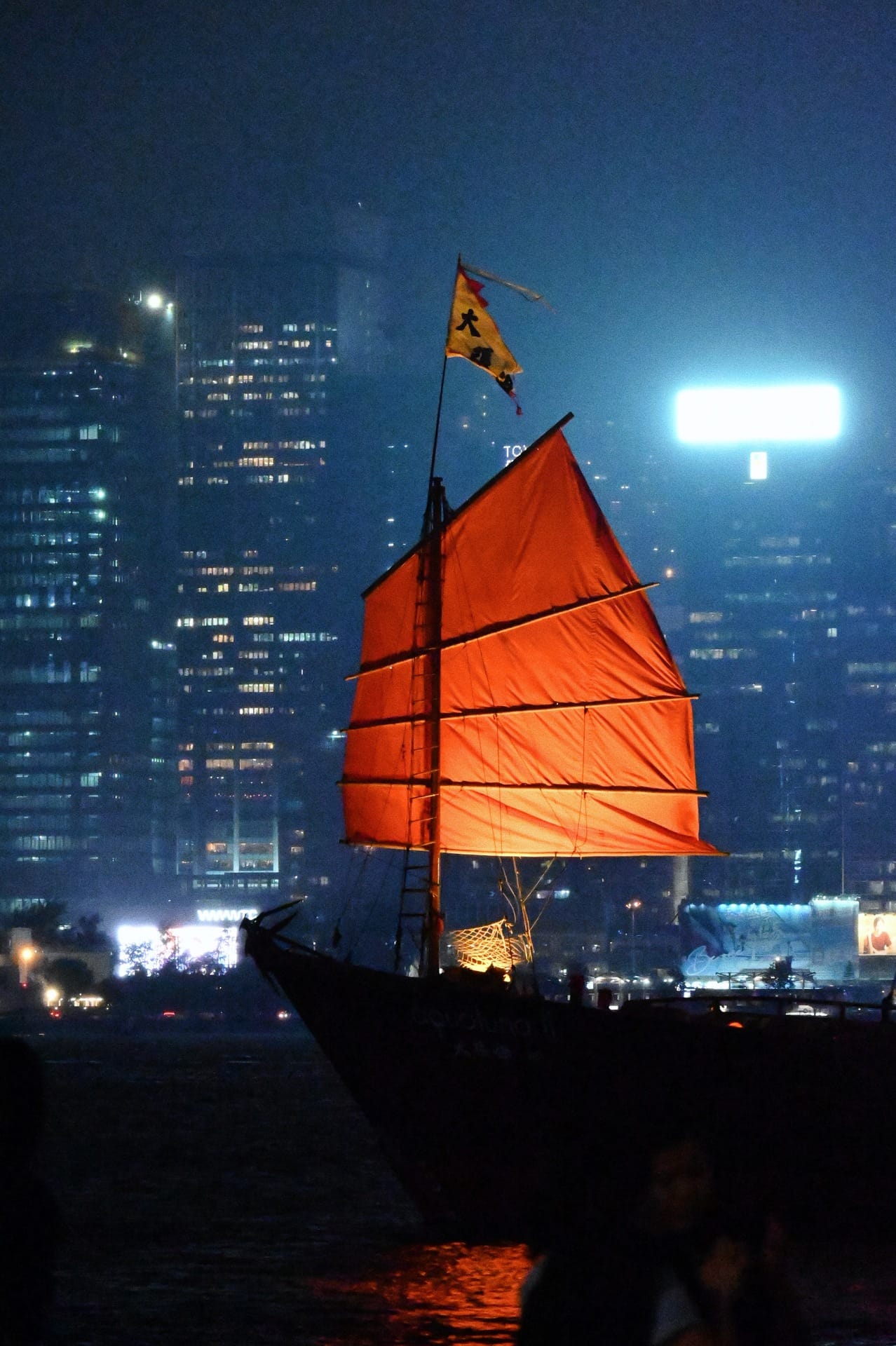
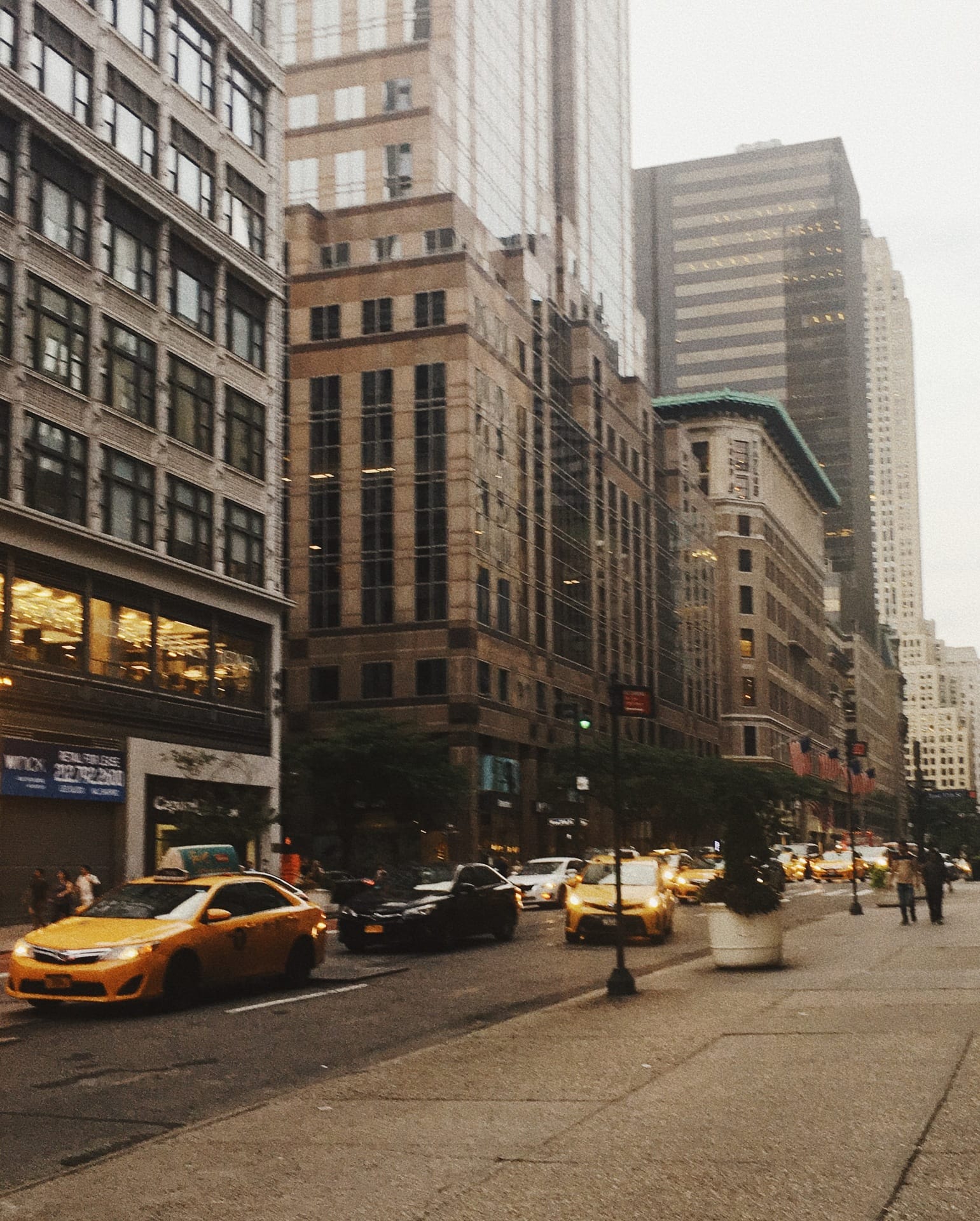
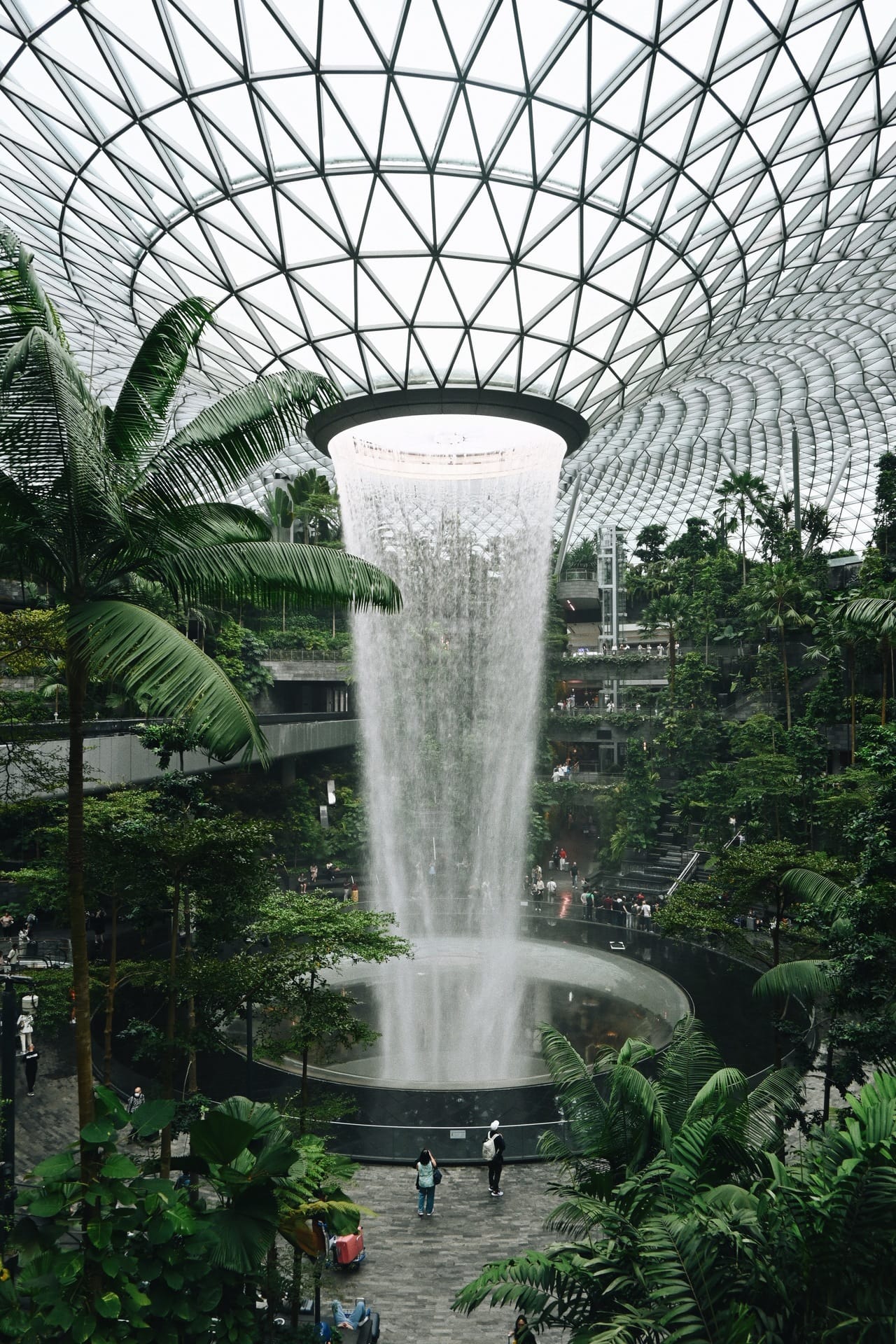
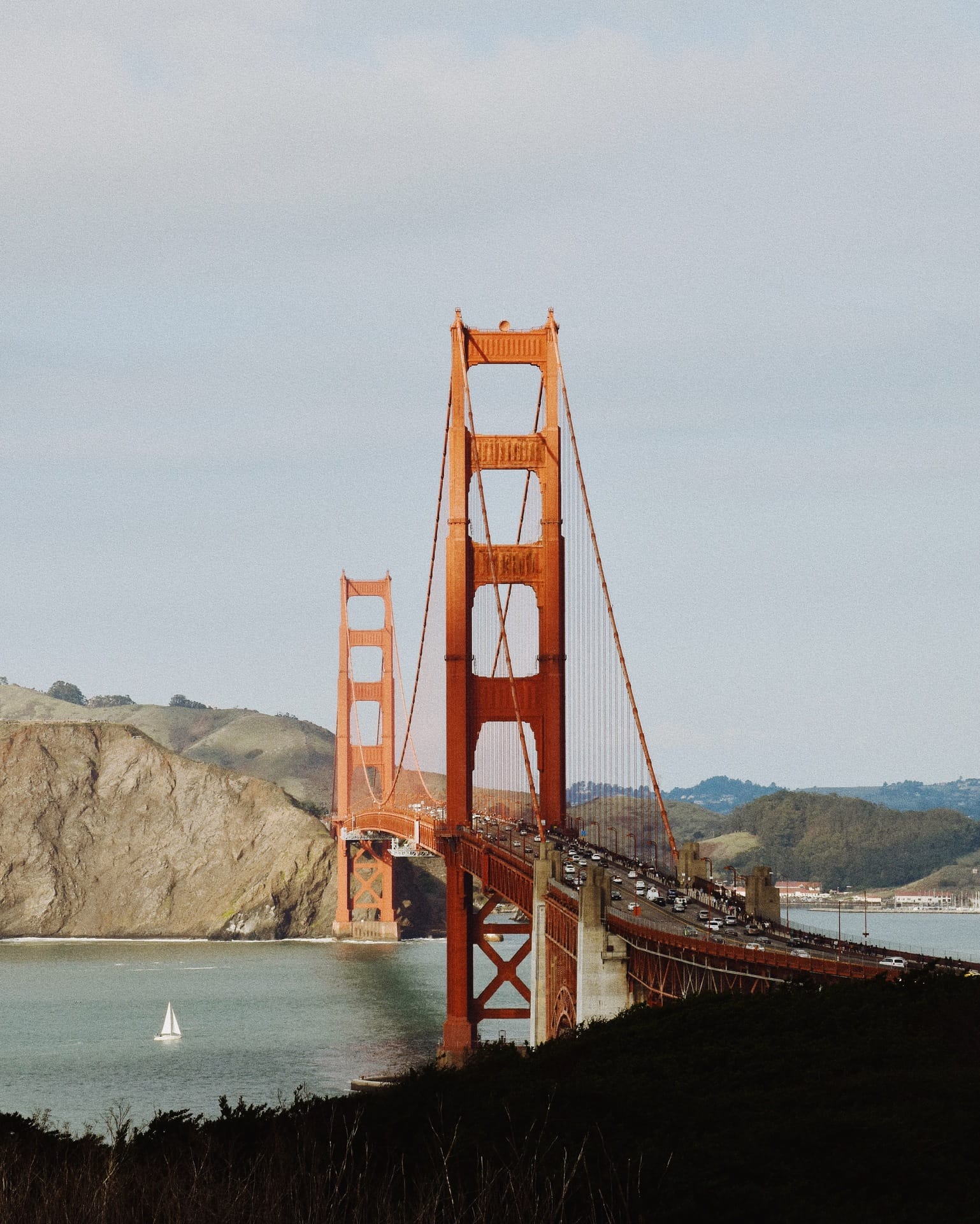
Street photography: breaking or making cultural stereotypes?
So how can we break away from this and understand a place comprehensively? Initially it is thought that adopting the hobby of street photography (capturing people and objects in public space in an unstaged way) could be an answer – it makes one more flexible and want to discover different or lesser-known paths to observe or just feel a place. It is the antithesis of ‘doing it for the gram’ and similar to the concept of flâneur (a person who wanders in the city to observe the surroundings and contemporary life), offering diverse ways to interpret a place and define what it means to the traveller from a personal, societal and cultural aspect instead of staying in comfort zone. It complements travel photography, which is more about presenting or promoting the best of a place, depending on the nature of work (personal / commercial).
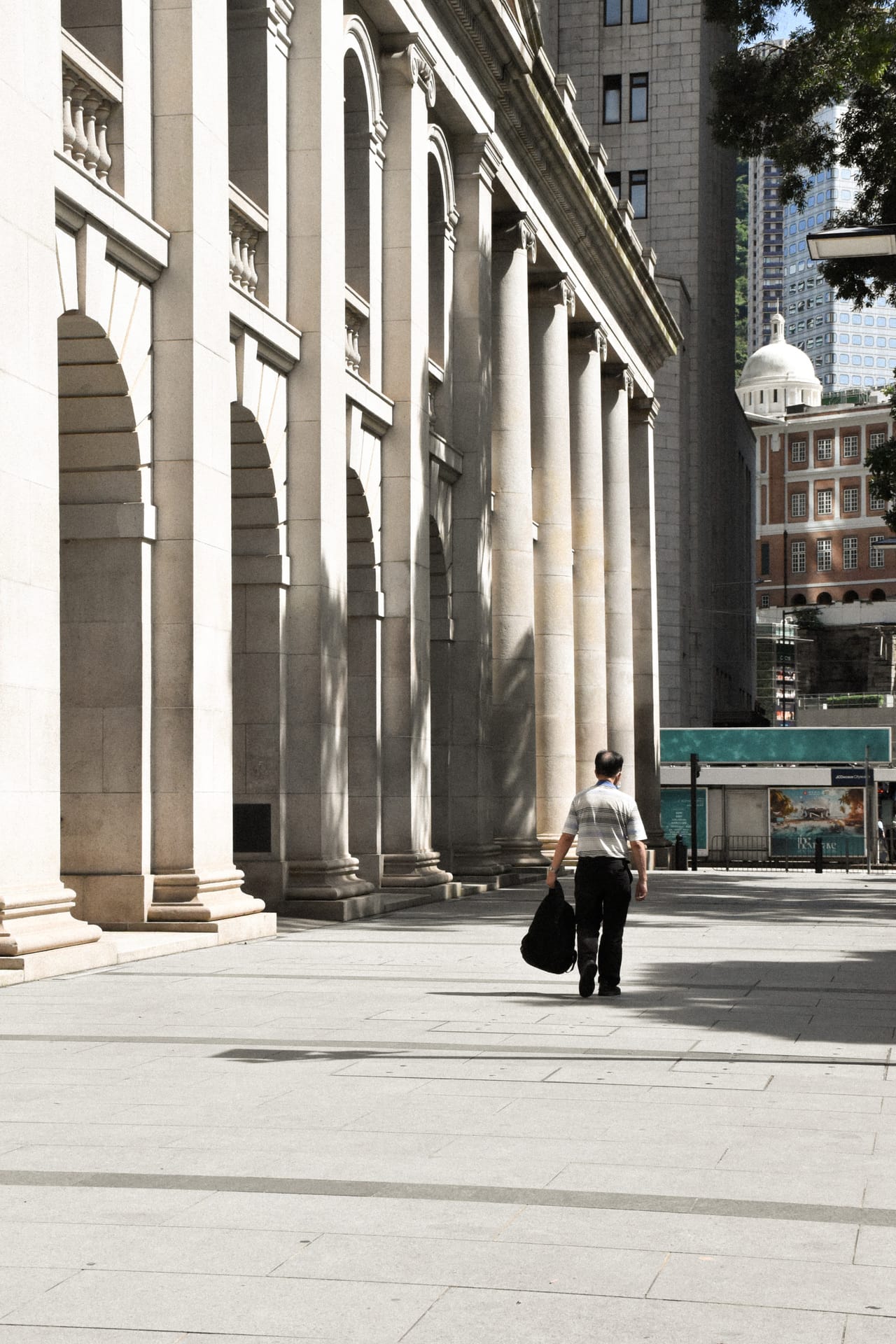
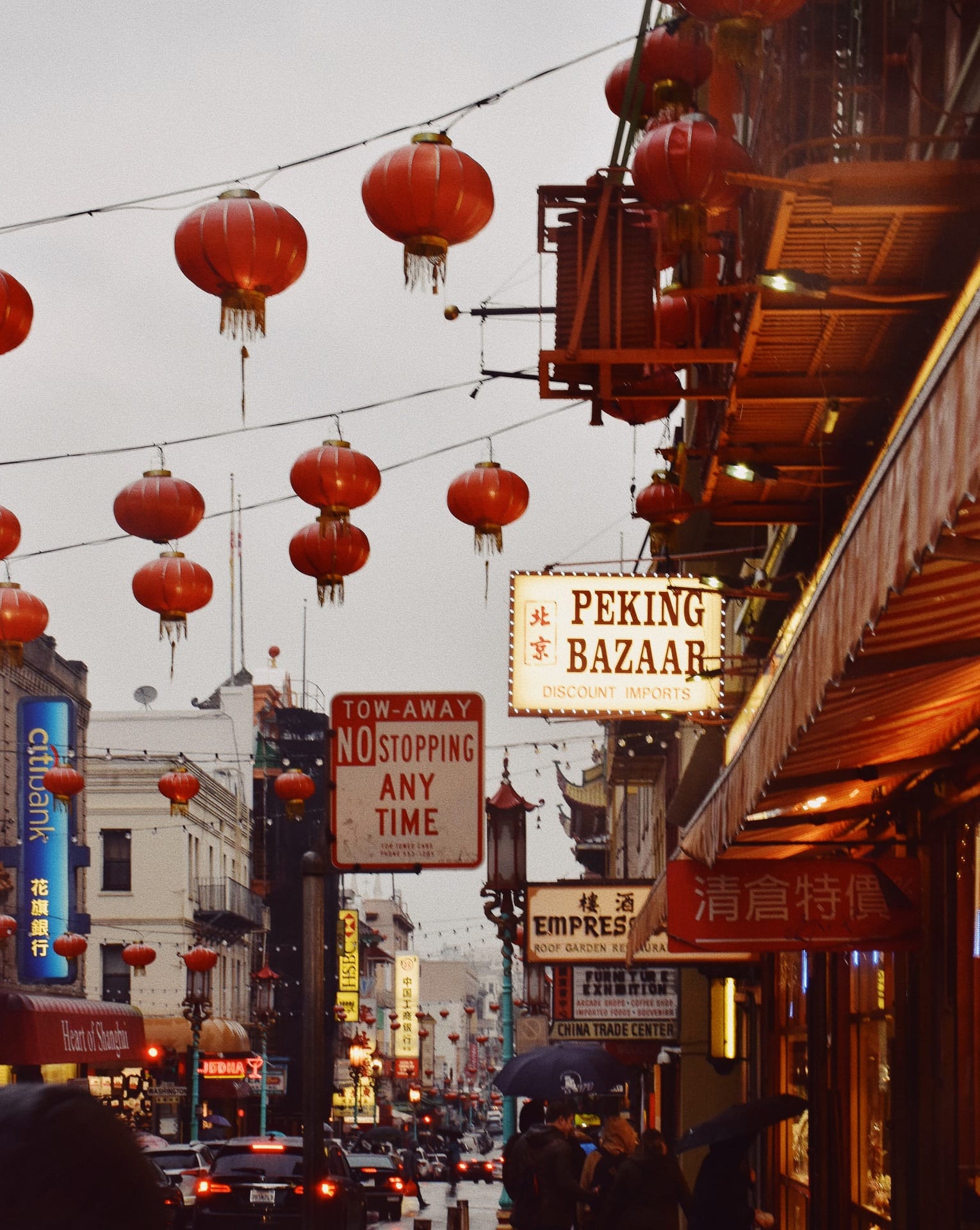
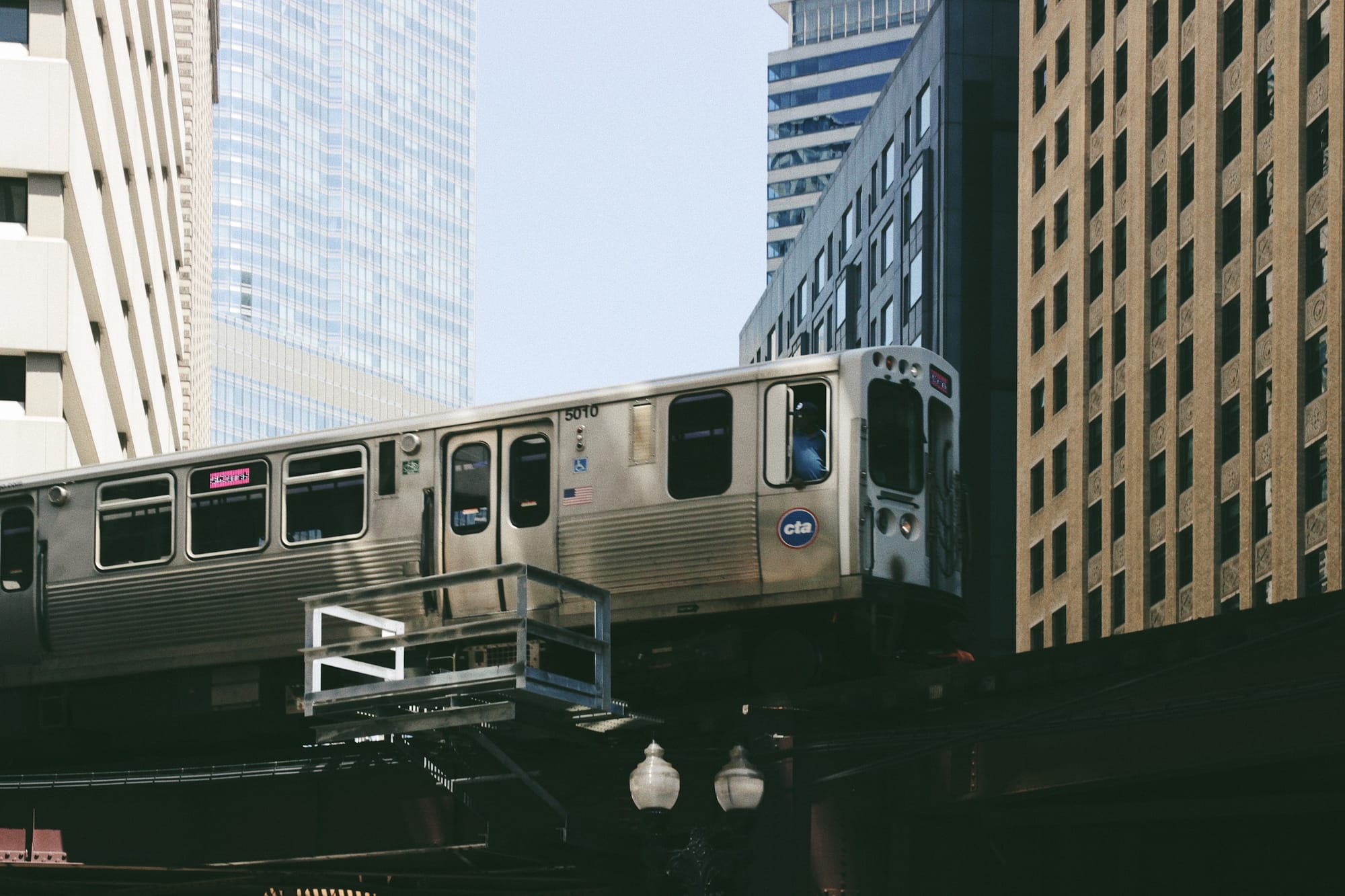
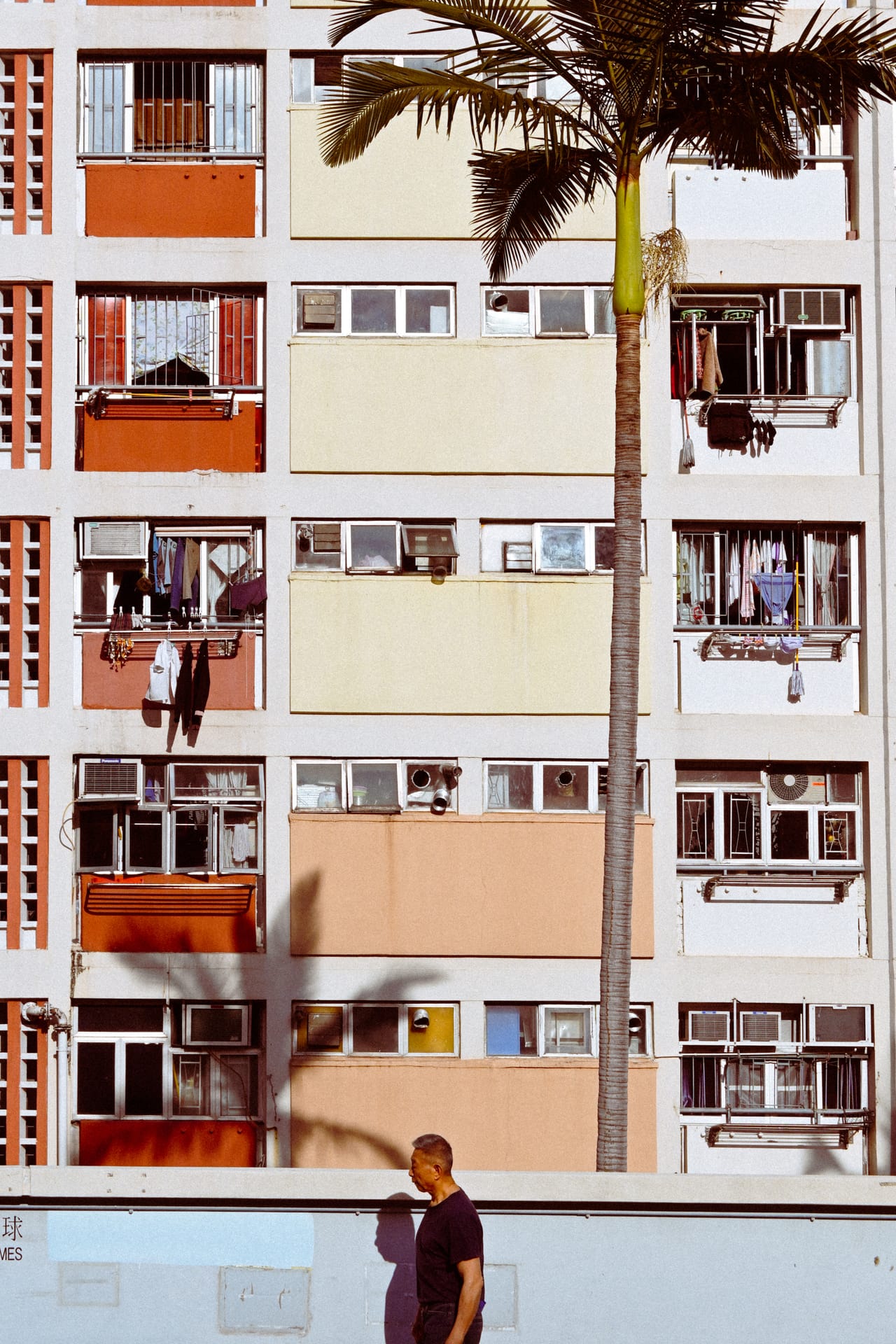
Yet there’s no such thing as perfect remedy and in the (seemingly blessed but in fact cursed) age of algorithm, the preferred form of art could just create a new cliché – think hobbyists including me craving visiting a less-discovered place recommended by algorithm and taking images in a gritty way that fits the much sought-after aesthetic of the genre. These so-called ‘authentic’ places could become the new ‘instagrammable’ spots and feed into a new cultural stereotype / cliché (after all the identity of a place is fluid). And we may feel disappointed again if we can’t get the images we want, just like the abovementioned irony. Street photography won’t get us immune from the desire of focusing on what we want to see based on our perception / bias, it could become another invisible trap made of our traveller’s privilege, romanticisation and cultural voyeurism.
Is a way out possible?
So how to escape from the ouroboros? A cliché that’s tried and true has entered the chat – i.e. being open-minded and forgo our own expectation when we observe a place. We’ll need to realize (especially for global north people) we’re inevitably ingrained with cultural bias imposed by our own culture and in a broader sense an Eurocentric mindset, and then unlearn cultural voyeurism and exoticization. I'm complicit as well – during the trip to Almaty in 2023, I was thinking about capturing the ‘hustle and bustle’ of the city, but it turned out the population density is very low. This thought showed that I unintentionally see the city as an ‘exotic’ and less developed place which is gazed at our disposal, which is obviously not okay. Instead of feeling disappointed, I shifted the focus on capturing its tranquil beauty, and it worked – I unlearned the stereotypical thinking and got some great images. It’s like treating travel and photography as omakase (a formal Japanese dining experience, which guests place absolute trust in the chef and let them decide the menu) – you are willing to trust and respect the locals to show you the essence of their culture and place in their own way and open to experience what it unfolds as they have the final say on the narrative, just like you respect the chef’s profession and knowledge and won’t force them to make a certain dish because you want to.
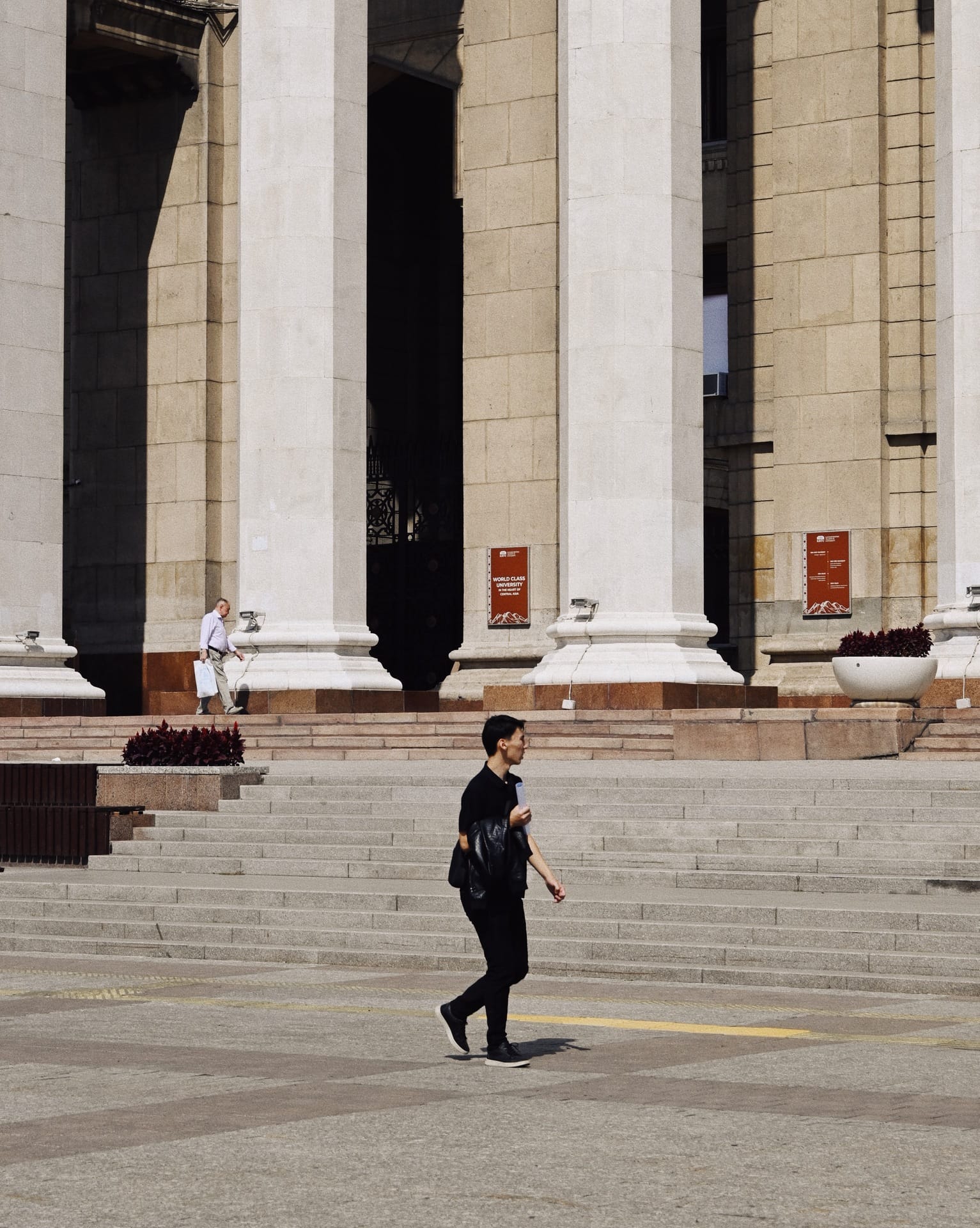
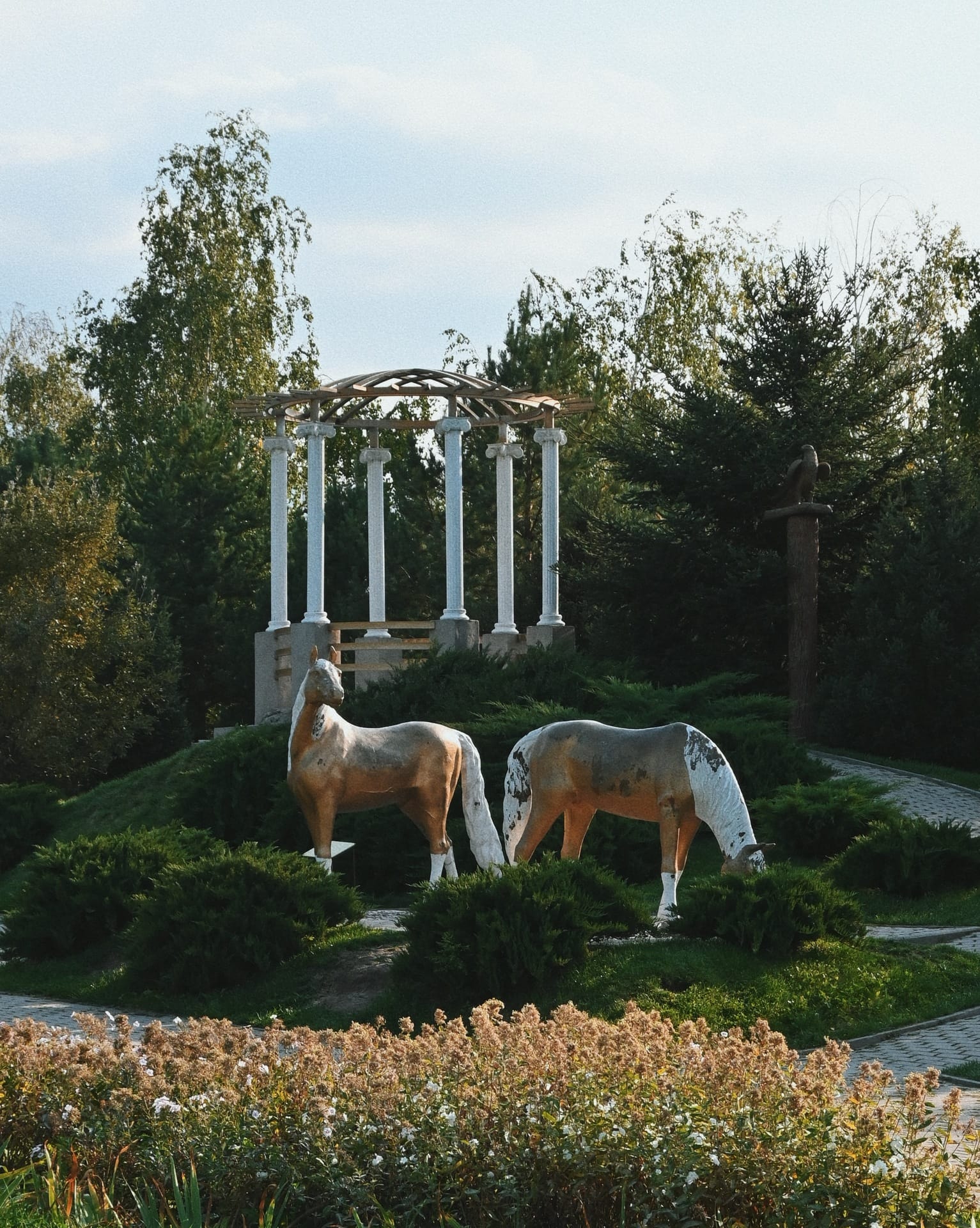
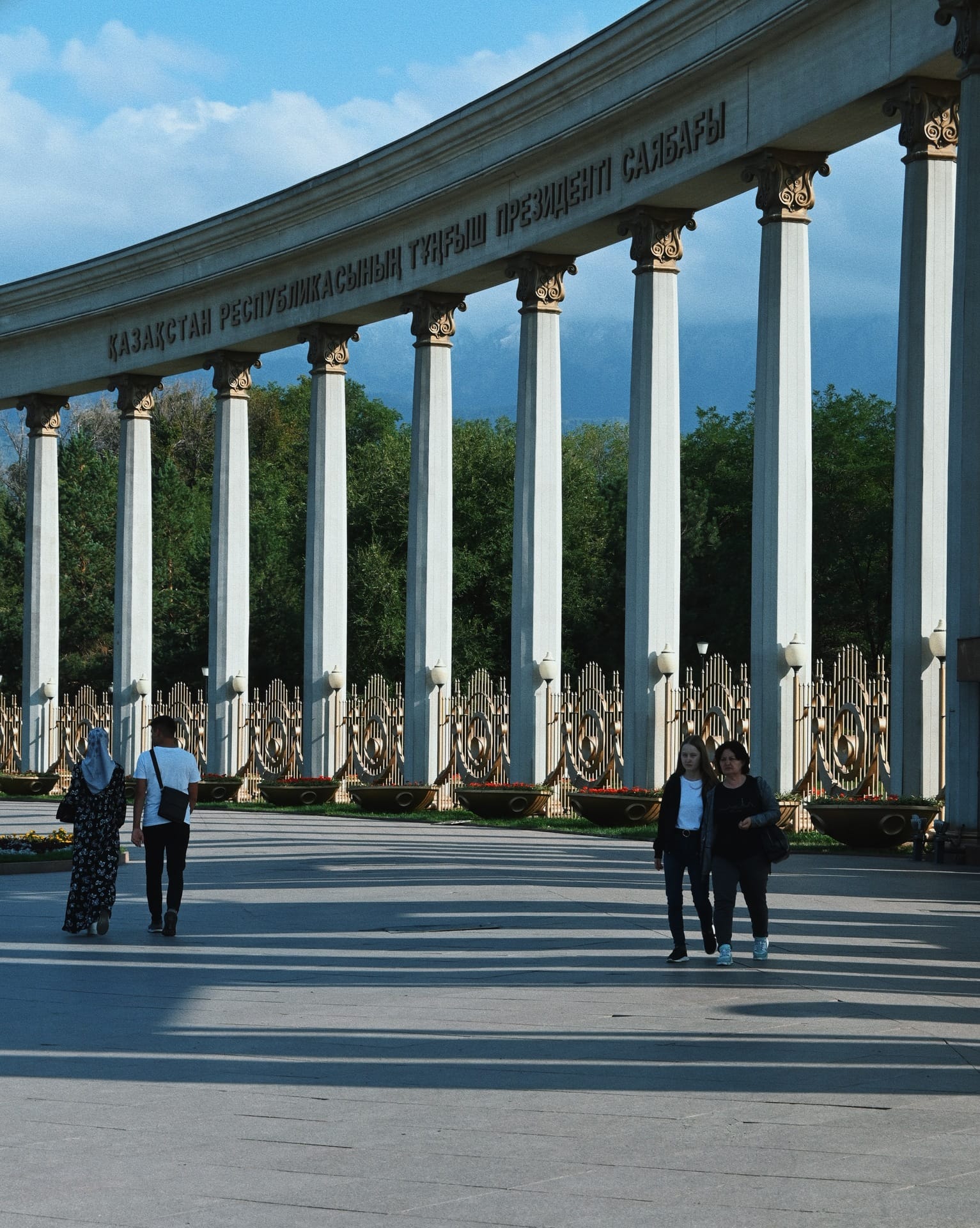
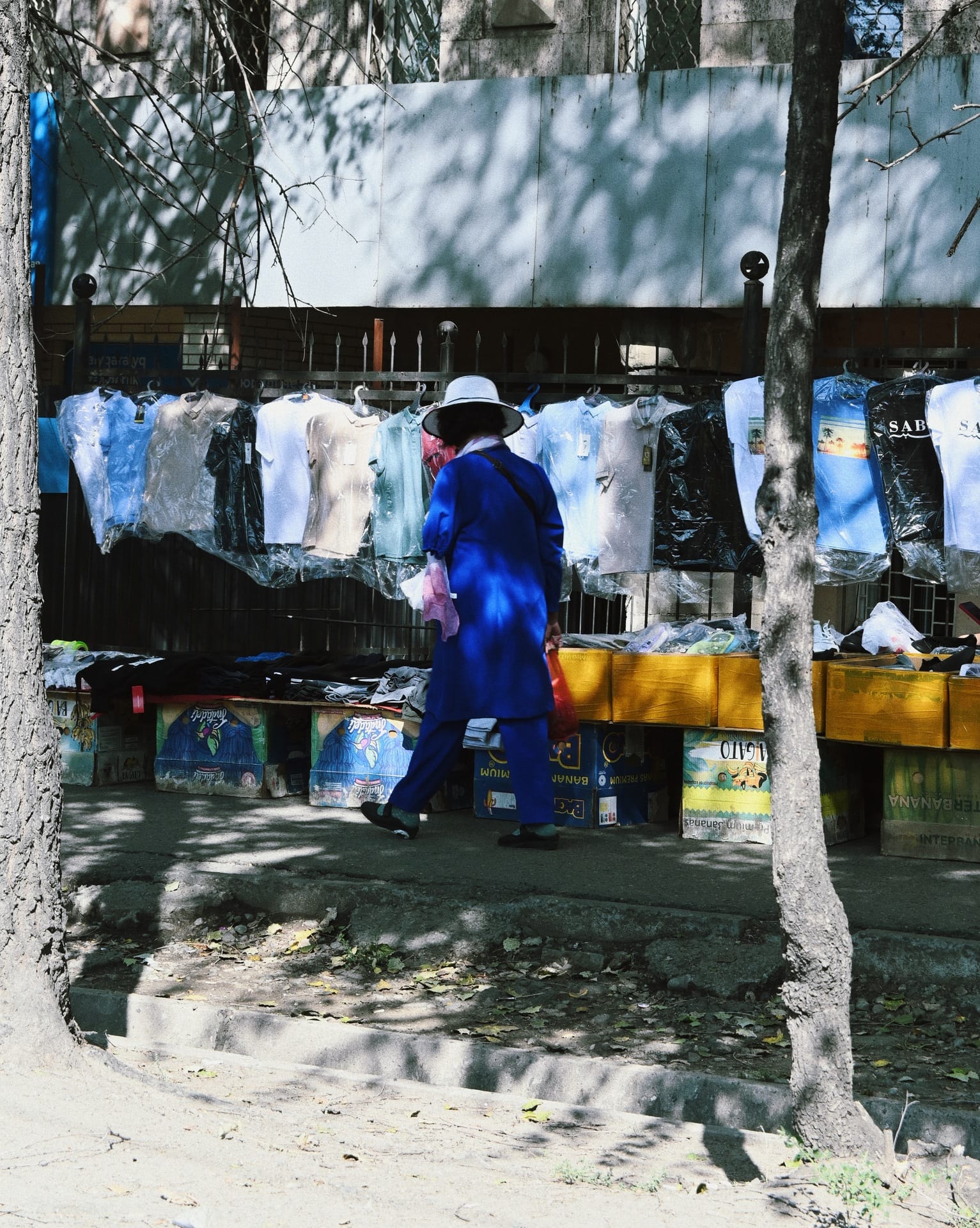
From travel to street photography, I believe how we practise our hobbies reflects our worldview, power and privilege. There’s no single ‘correct’ way to understand a culture. Whatever you choose, it’s never about what images we take, where we visit, and liking everything we experience – it’s about acknowledging the co-existence, our connection, and giving spaces to each other. The journey of learning and unlearning goes on; the experiment of travelling like an omakase guest continues.
(Afterword: while the metaphor ‘omakase’ captures the essence of willingness of a traveller being open-minded towards an unfamiliar place / culture, it still hints the transactional nature of hospitality / tourism. The power dynamics, that stems from economic differences and historical context, of tourist and the place visited is yet to be explored in this article. This article is still published though as I reckon it could contribute to possible way out of pressing issue of cultural exploration in a post-colonial world from a personal perspective. If time and energy permits, I may dig deeper in the power dynamics, but for the time being, I'll just park the thoughts here.)