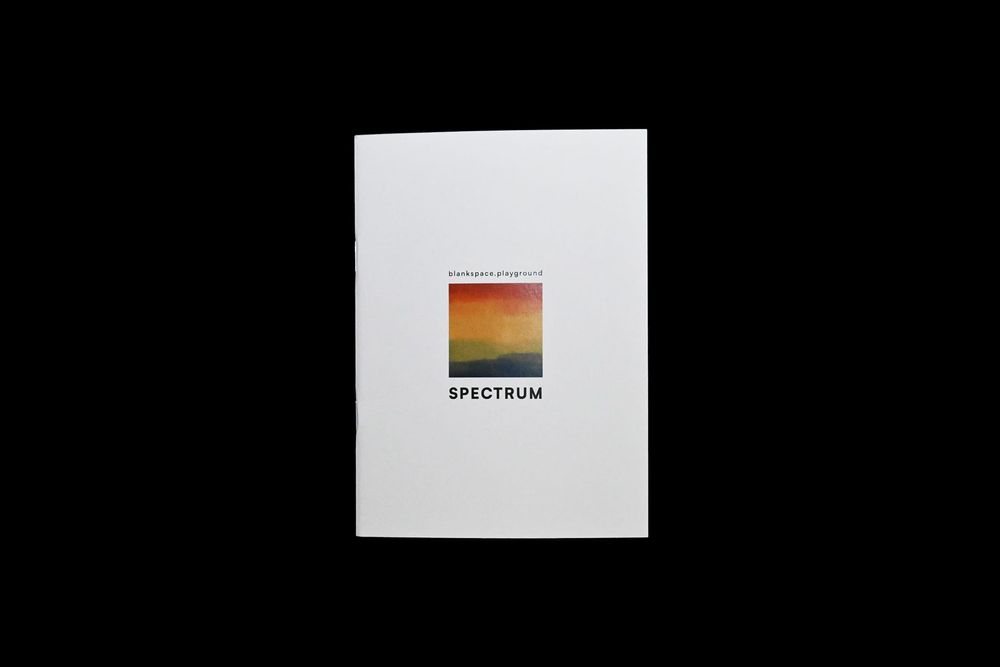
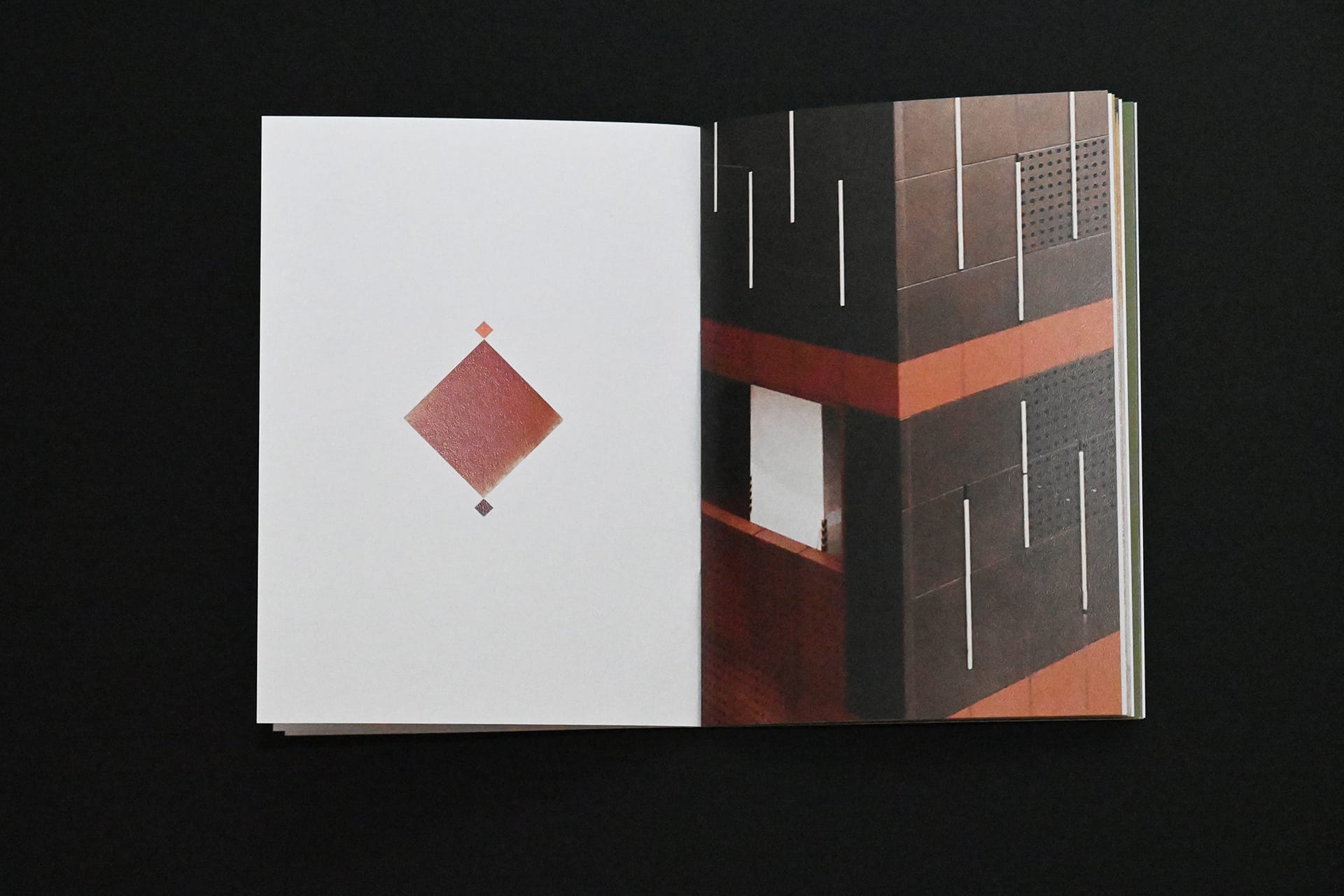
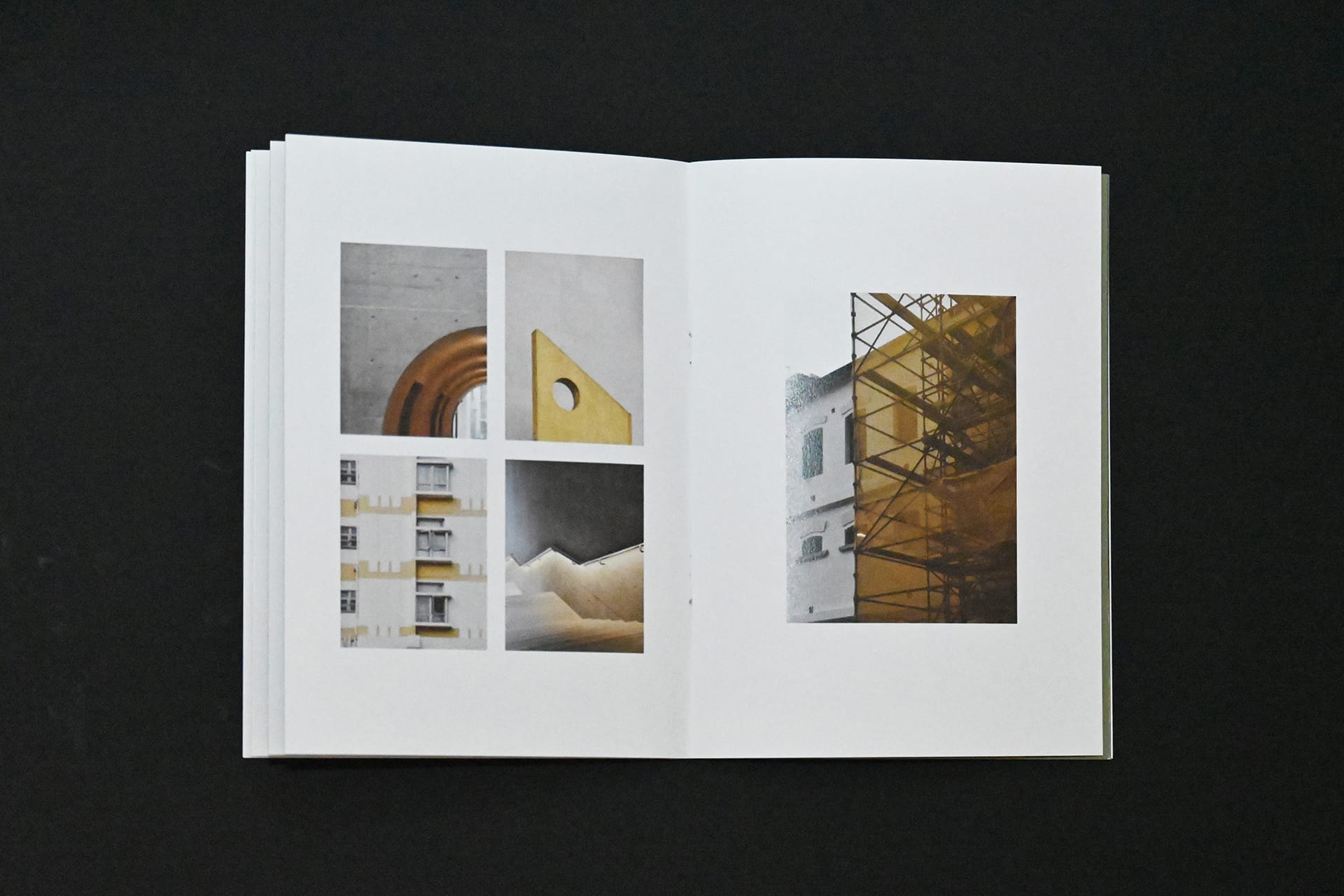
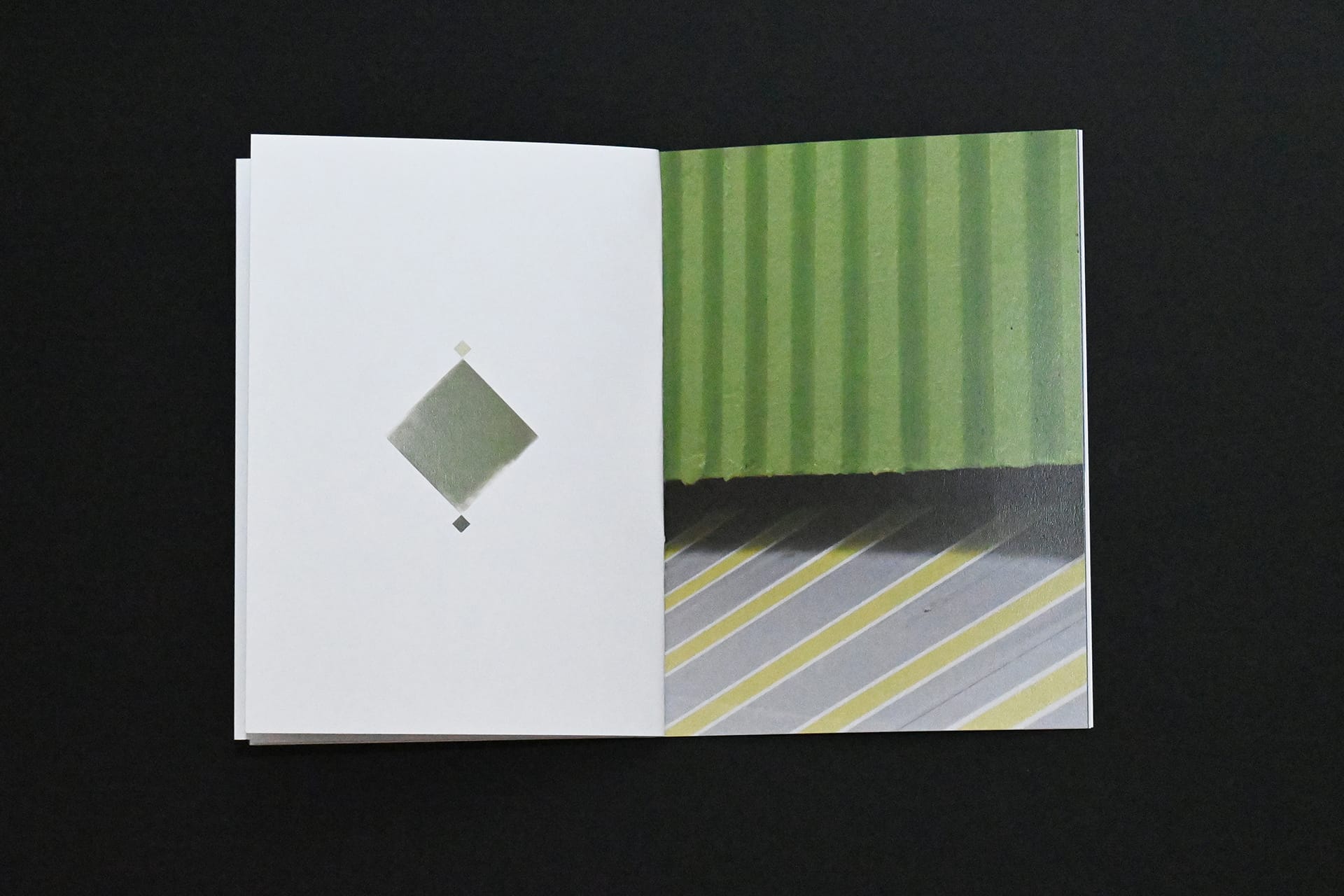
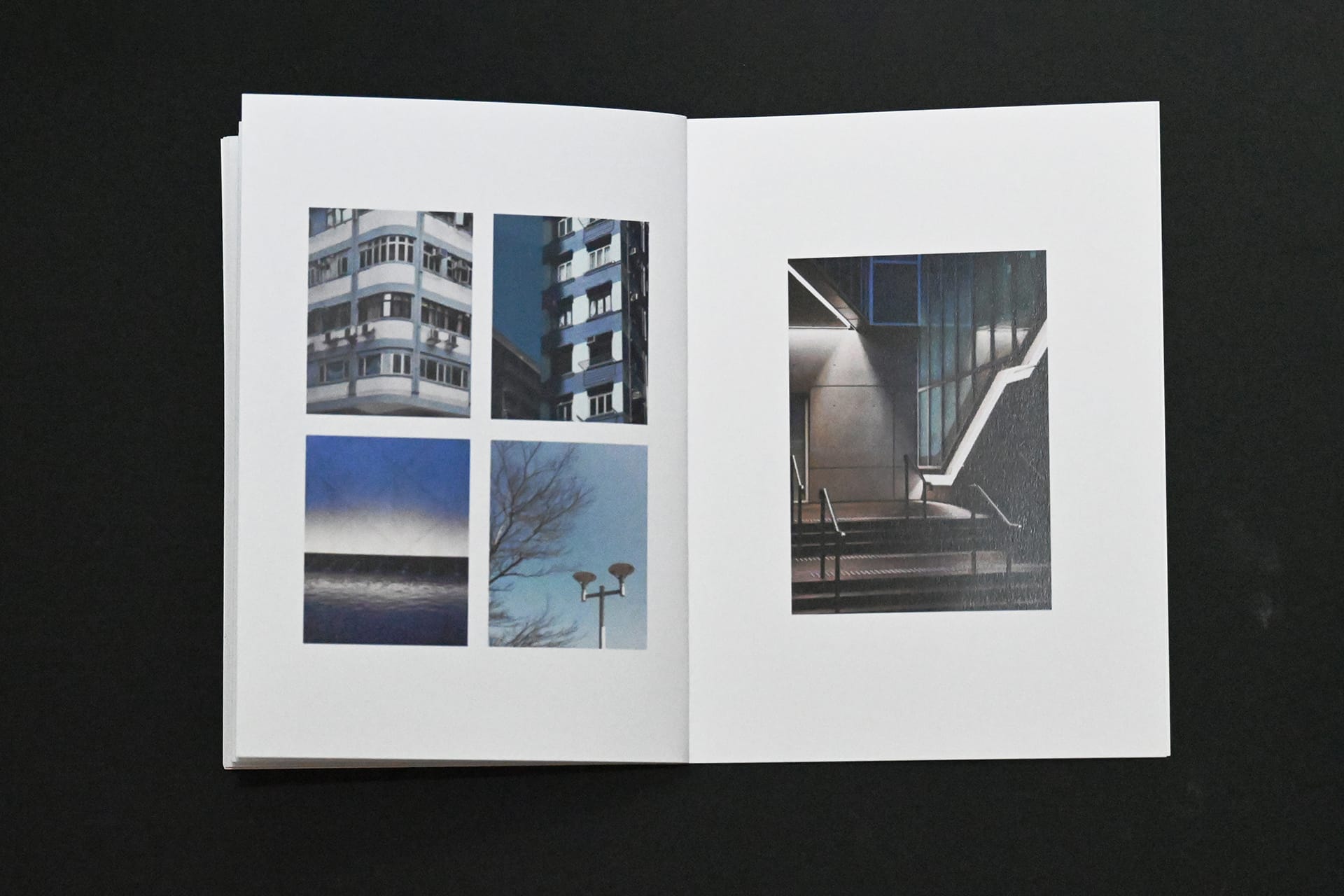
In a world where grand scheme of things are emphasized and the focus of ways of seeing tends to be the big picture, the mundane moments and smallest details inevitably get overlooked. How does one rediscover the art of appreciating details and tell a story of banality in this context? Spectrum, a photo zine of minimal zoom-in architecture photos, attempts to answer the question with a visual metaphor that stems from theories of Gestalt psychology.
The foundation of the project – a question of style
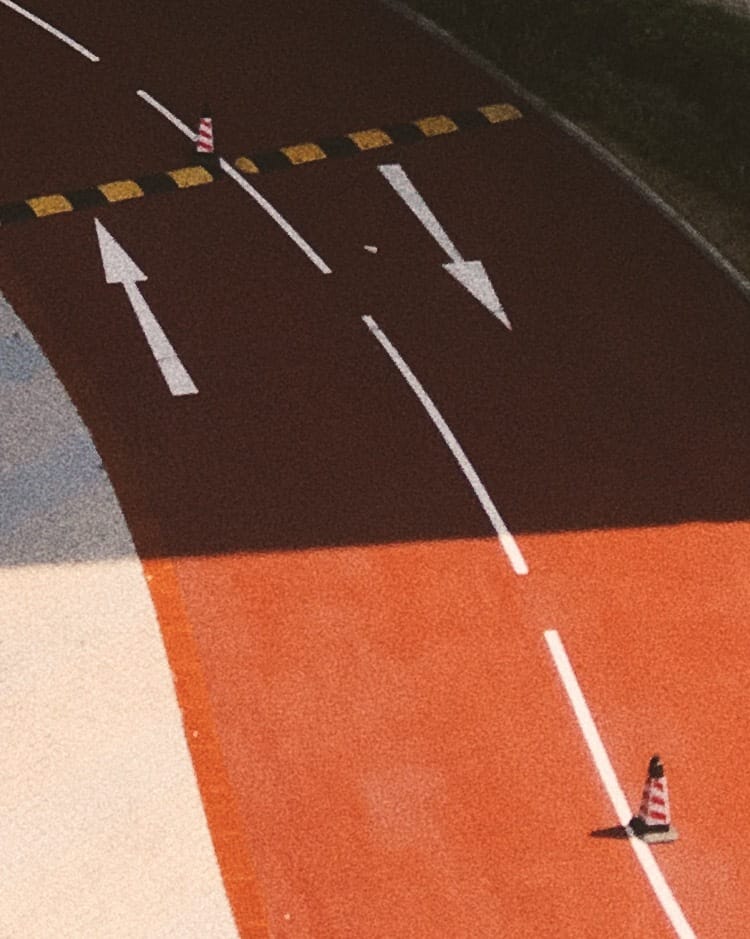
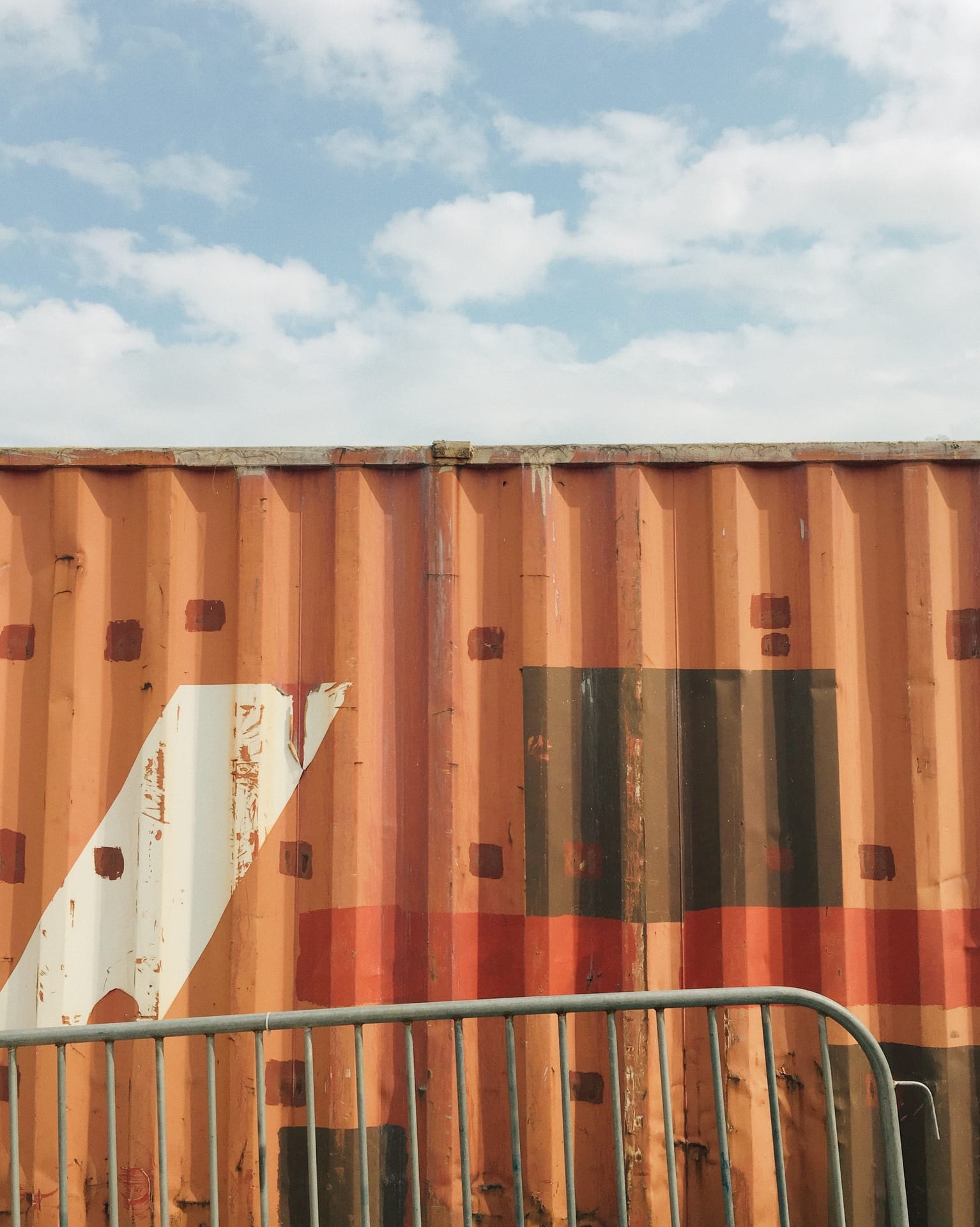
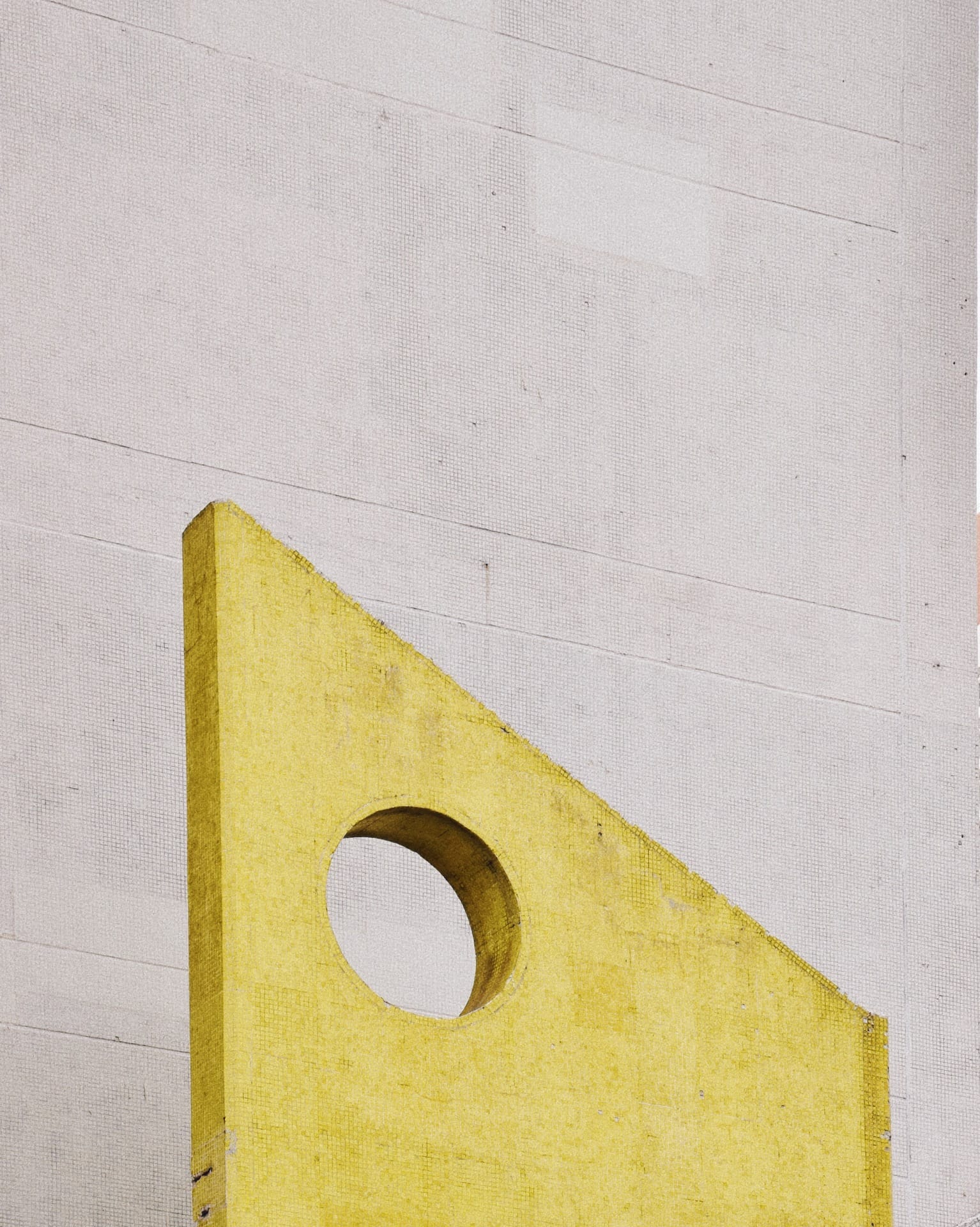
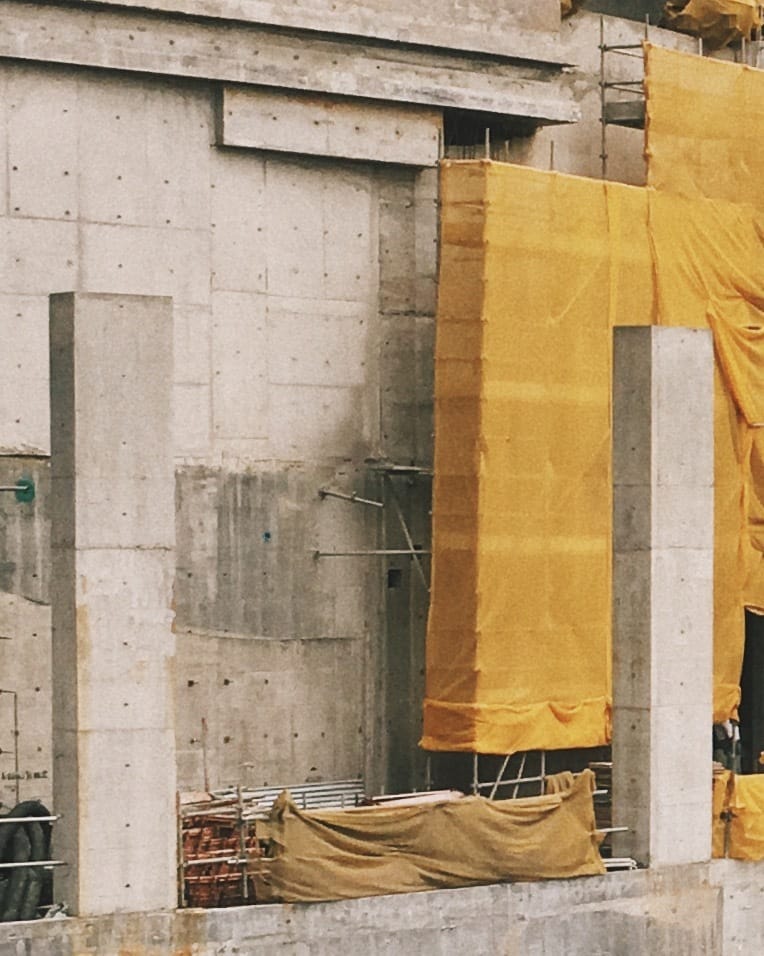
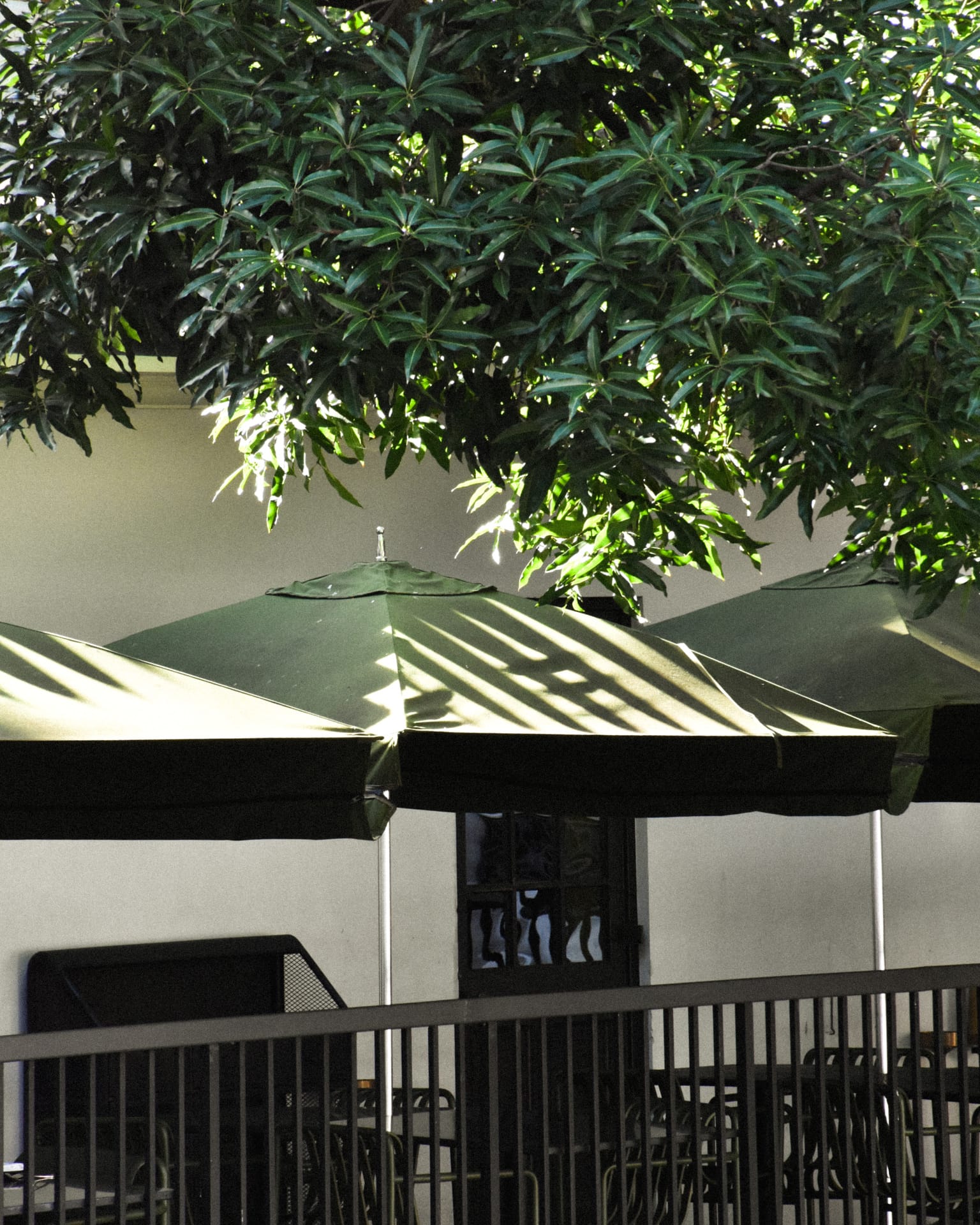
The seed of the project is planted in 2017 as a photo project, which challenged the convention that the style of minimal photography has to be pristine and sharp. The method was simple – grainy, tightly cropped photos of buildings, shadows, construction site etc. in muted tones (which eventually became vibrant as time progressed) were taken during walks and commute by mostly smartphone. Some images were even taken far away from highway when the car was driving. This project concluded after a year, but it became the foundation of the visual language of the zine – the image of the part of the object photographed became the whole itself.
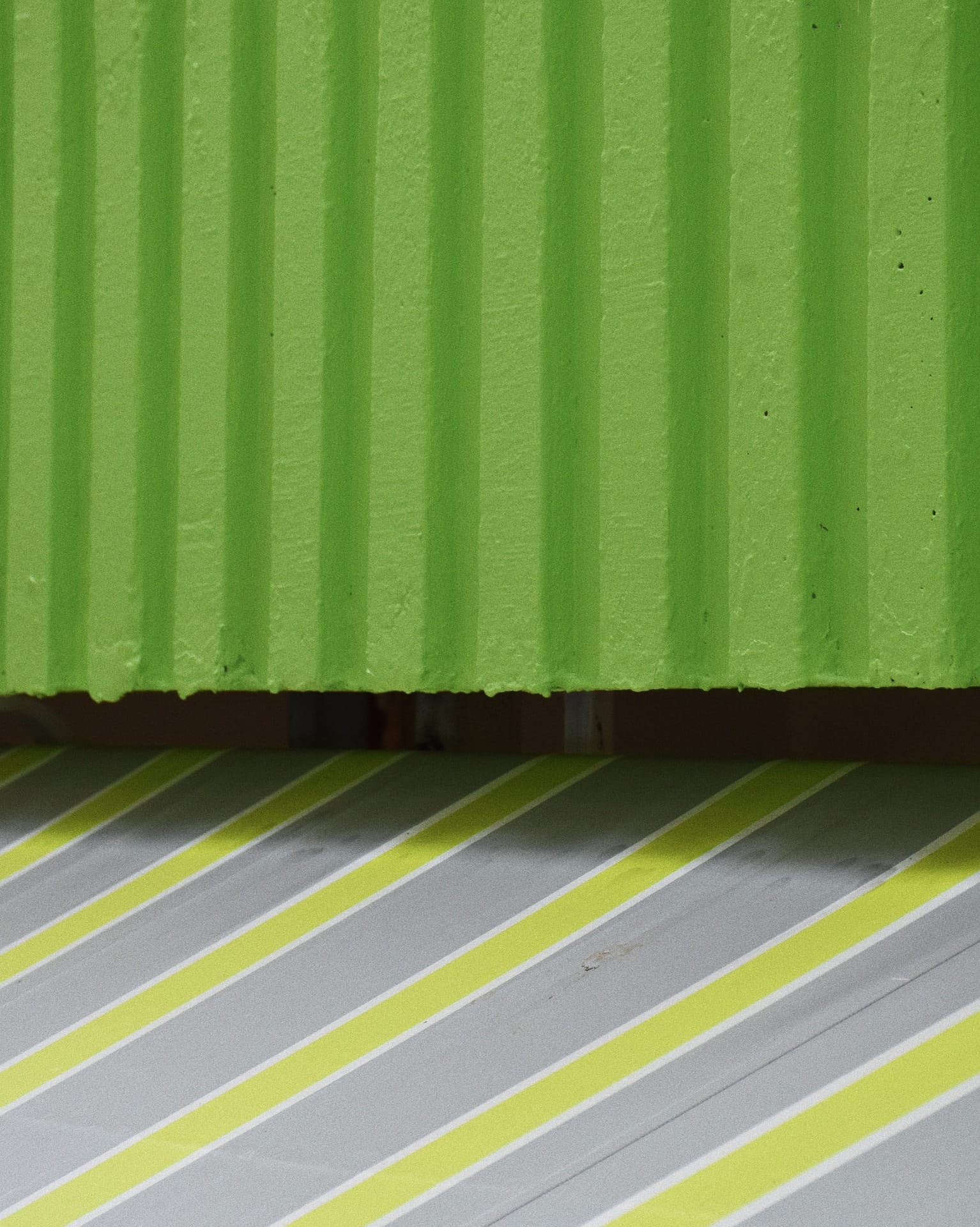
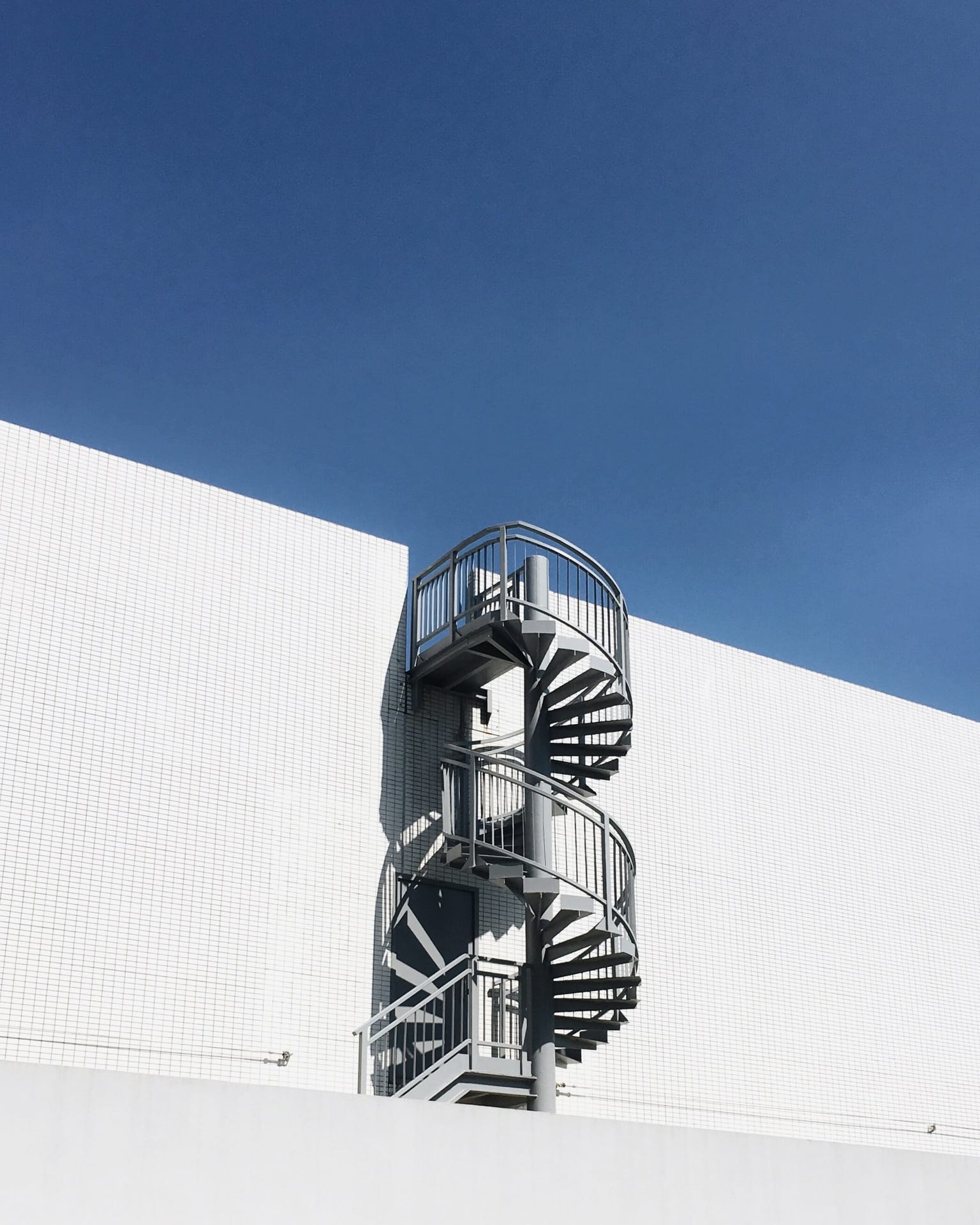
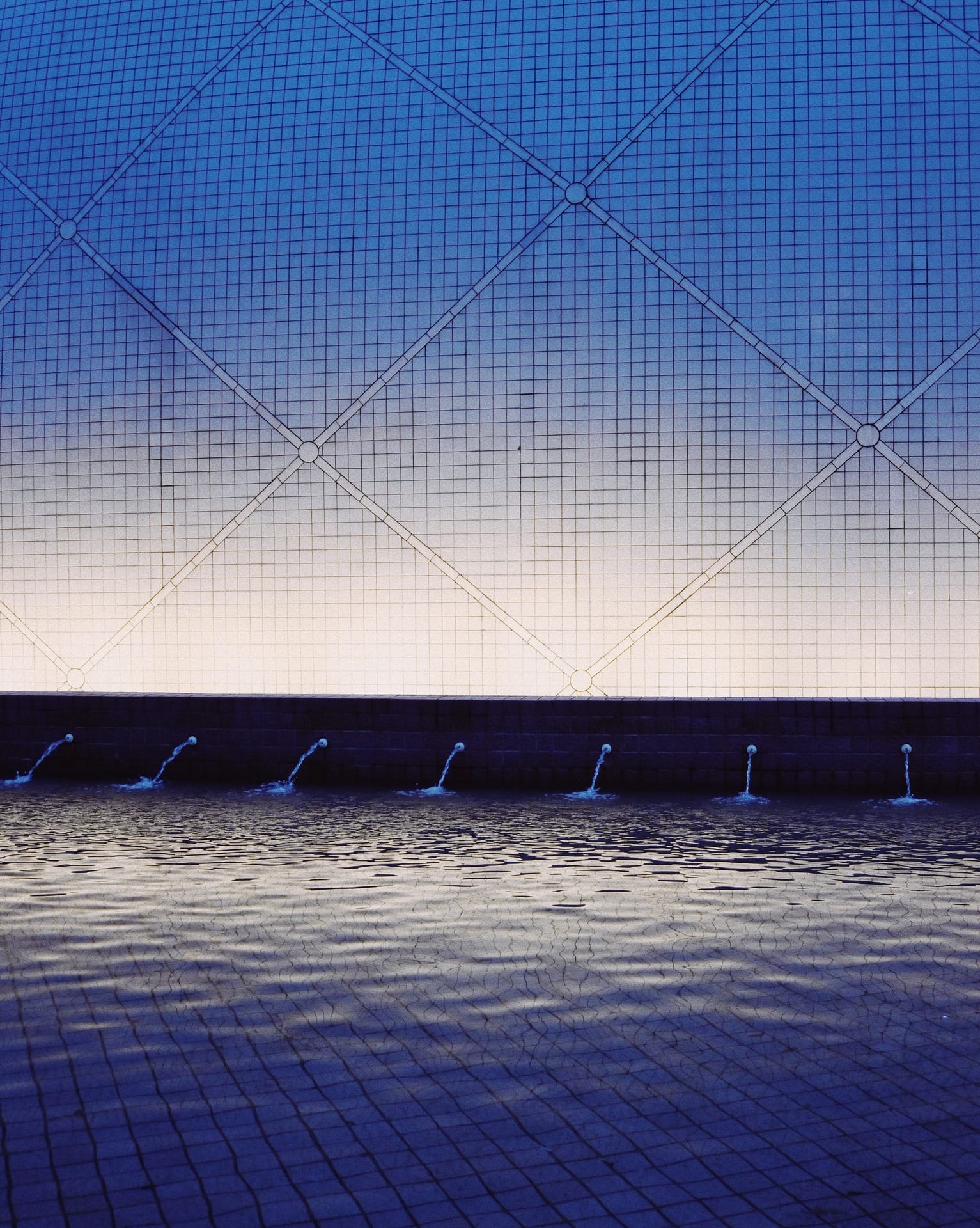
Breakthrough of the project – from aesthetic preference to finding the narrative
Fast forward to 2023, the initial idea of Spectrum was born – minimal, zoom-in photos of building facades, construction mesh, stairs, and other mundane corners of urban environments were sequenced in chromatic order, an attempt of showcasing the beauty of the mundane. However, the aesthetic choice lack structure – anything can be arranged in the order of colors of rainbow, which makes the raison d'être of the zine doubtful. Therefore, the internet search for anything associated with colors, ranging from symbolism and idioms, started. The criterion was simple – the target was preferred not a cliché, as the theme is about banality, anything that's overused will dissuade the audience from appreciating the details.
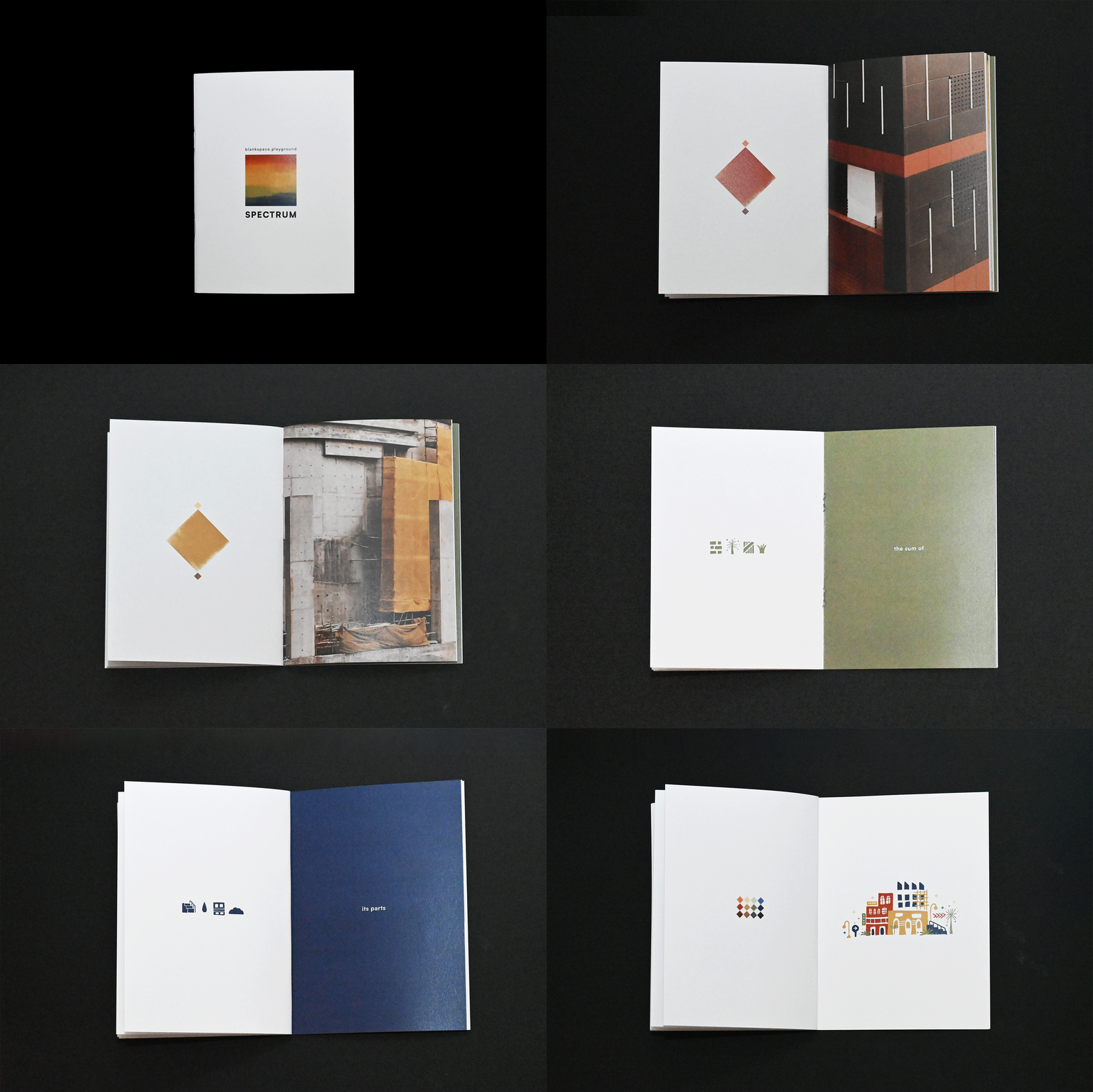
Then one sentence marked the breakthrough of the concept, i.e. 'the whole is greater (or written as 'other') than the sum of its parts', the core idea of Gestalt psychology, a school of psychology that emphasizes studying the entire patterns instead of only the individual elements when it comes to perception. This became the backbone of the zine for two reasons: 1) the images of building facades and mundane scenes are extracted and arranged in a way that's independent from their corresponding entities, and when viewed together, they form new meanings; 2) it's the antithesis of focusing on the 'grand' things or scheme (no landmarks or specific design is featured), an ode to small details that one tends to ignore and dismiss them as 'not pretty enough'. It shows that everything has its inherent value if one decides to look close enough.
From fragments to a whole – the interaction between photo, text and illustration
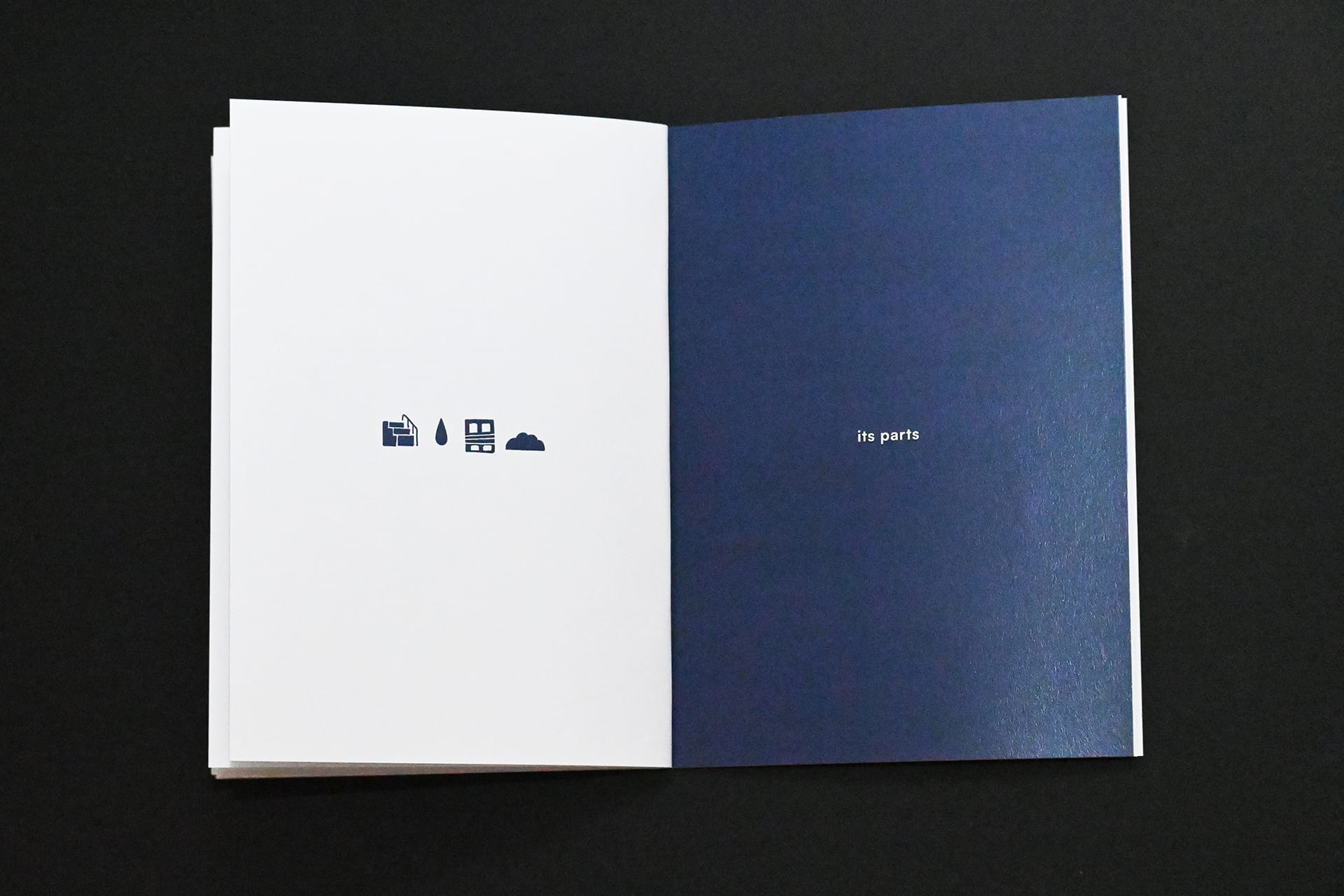
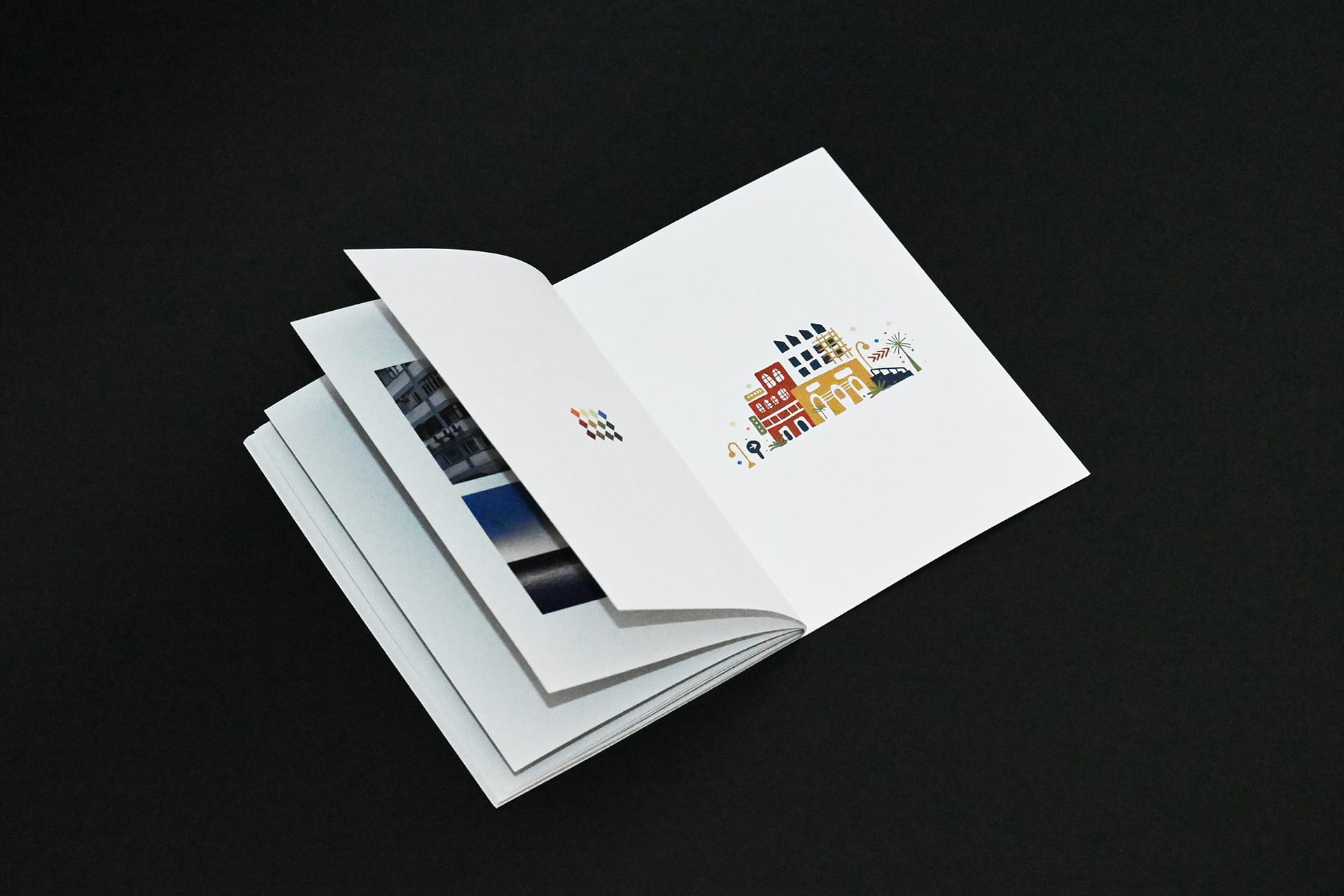
The zine focuses on photography and clean typography layout, but the narrative still needs to be consolidated. Minimal illustration therefore are added to enrich the narrative. The visual treatment goes like this: for each chromatic section, icons of architectural elements extracted from the photos are created, and at the end of the zine these icons form an illustration of a vibrant city, which completes the narrative arc of the visual metaphor / the principle of observation. It becomes a visual demonstration of emergence, a phenomenon that only occurs when each element in an entity interacts with one another instead of their separate existence.
Spectrum is an experiment on how banality and the small details can be presented – it for sure can be a supplementary part of visual storytelling, but it can also stand on its own, where the mundane takes the center stage, a gentle, warm challenge on the obsession of all things grand in observation.
Author’s note on methodology: no theories and emotions of psychologists / theorists are damaged in the making of this zine. Instead of viewing theories as as singular truth, they are adopted as conceptual scaffolding sourced from extensive Googling that goes a bit too far. This article displays one of the ways to view the zine, not the only way. You are free to choose to consider whether the zine a well-thought-out visual metaphor or just a bunch of colorful images.